
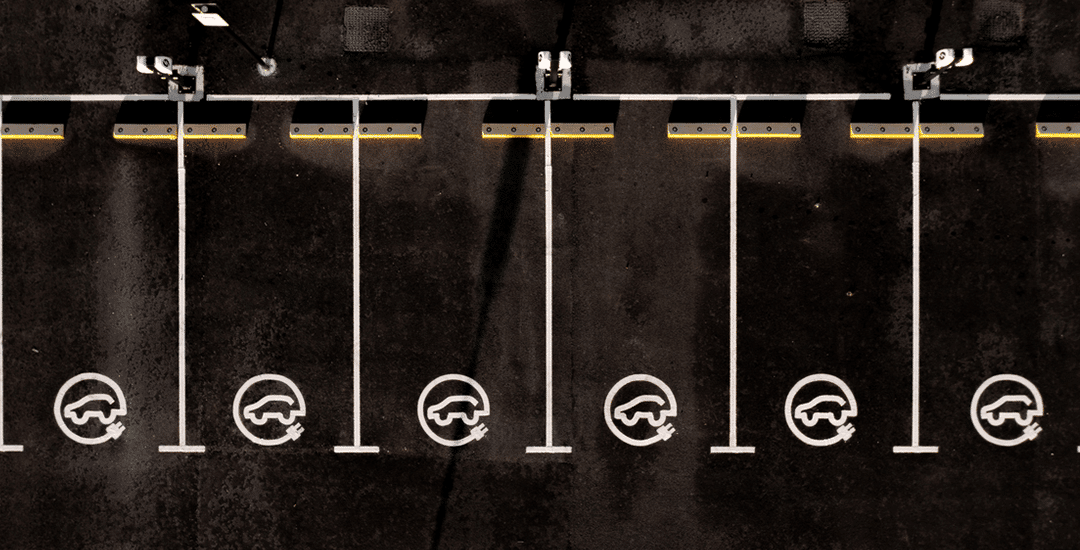
Electric vehicles (EVs) are the future and will continue to increase in popularity as the world moves away from fossil fuels. The EV market is witnessing unprecedented growth, and charging infrastructure is expected to be worth $14 billion by 2026. This increase in charging demand represents the rise in EV adoption rates. Scalability is crucial for businesses with EV charging investments as it provides the appropriate response to growing demand.
This guide explores EV Charging scalability and why it’s necessary to ensure stability and growth.
Common EV Charging Scalability Challenges
The increase in EV charging demand exerts pressure on the existing infrastructure, naturally creating a need for scalability. However, scaling electronic vehicle infrastructure comes with its challenges, such as:
High Investment
When building owners scale from one or two chargers to more, the importance of managed charging becomes evident quickly. The increase in energy consumption can be expensive, and the need to limit public access to charging so that your users get priority becomes important. Usually, owners must “rip and replace” their non-networked “dumb” chargers with smart chargers to get those features — an expensive and wasteful barrier to scaling.
To overcome this challenge, consider Liberty Plugins. Our Hydra™ Charge Station Management System connects to nearly any Level 2 charger, simplifying the conversion of dumb chargers into smart ones — no ripping and replacing required. Mixing and matching old chargers and new chargers is perfectly fine.
Vendor Lock-In
Many EV charge station providers offer tightly connected hardware and software ecosystems, which makes it difficult to integrate chargers from other brands and threatens to leave you high and dry should something ever happen to your provider.
For example, when Enel X Way — the maker of JuiceBox — exited the North America market in 2024, it left its customers without access to its software and a simple way to switch to another vendor. Customers who choose an ecosystem solution are essentially locked in with no recourse and little flexibility should they want a change for any reason.
Liberty Plugins removes the obstacle of vendor lock-in with a flexible charge station management system (CSMS) that’s compliant with the Open Charge Point Protocol (OCPP). Our adherence to OCPP ensures seamless compatibility with EV charge stations from a vast range of manufacturers, enabling easier scaling with any brand. Between our OCPP capabilities and our Hydra™ system, Liberty allows system administrators to incorporate chargers from multiple manufacturers into one unified system to serve their users‘ needs.
Complex User Access
As a business installs more charge stations, it must consider user access. Most smart charge stations require users to download an app or use a special access card to interact with chargers, and they don’t integrate smoothly with a building’s existing access control system.
In other words, as businesses add more chargers, they’ll have to issue unique access cards to their users and then be prepared to deal with stolen or lost cards and an increased administrative burden. Or they may need users to download an app, which can be a pain to deal with when arriving at home with an armload of groceries, kids or whatever else.
Liberty Plugins helps companies overcome the issue of complex user access by providing a range of options. With Hydra, businesses can easily manage who accesses charge stations via common RFID, mobile app or keypad. For example, Liberty allows the same RFID card that residents or employees use for door access to be used for charger access.
Key Considerations for Scalability
Building out EV charging infrastructure calls for thoughtful planning to minimize common challenges and ensure successful implementation. Here are the key considerations for EV Charging scalability.
1. Modular Design
Commercial EV charging requires a modular design architecture that makes it easy to scale with demand and reduces maintenance issues.
With Hydra, each charge station circuit connects to a central control unit. Hydra units support a varying number of circuits. For example, if a site owner wants to expand from four charging stations to 10, they can install the Hydra-R 10, which supports 10 circuits. That means the site owner can keep the four charging stations already on-site and add six new ones from virtually any brand, with all of them connected to Hydra, an intelligent CSMS in a box.
2. Flexible Software
Flexible Charge Station Management Systems are necessary when considering scalability. A reliable platform keeps the charge stations functioning optimally, handles extensive transactions and helps resolve errors remotely. You want a software solution that can accommodate more chargers and users while also supporting different makes and models of charging stations.
The Liberty Access Platform™ (LAP) stands out for its flexibility. Unlike solutions that lock customers into their proprietary hardware and software, our platform lets users effortlessly manage and monitor a growing number of Level 2 and DC fast chargers, regardless of the manufacturer.
3. Future-Proof EV Charging
The EV market and technologies are still evolving, and new standards are being written all the time. For example, while not commonplace in the U.S. EV market, the new Open Charge Point Interface (OCPI) protocol is designed to enable interoperability between various EV charging networks and E-mobility service providers, allowing greater charge station accessibility.
Meanwhile, ISO 15118 — a series of standards that support plug and charge and future vehicle-to-grid (V2G) communication — can have benefits for both EV drivers and charge station owners, like increased convenience and opportunities to generate revenue.
While large public EV charging networks might consider OCPI and ISO 15118 to future-proof their investments, smaller networks — like workplaces, apartment buildings and business fleets — are unlikely to benefit from cutting–edge developments designed for high-speed corridor charging, and can save a significant amount of money by taking a more practical approach. Liberty Plugins is ideal for supporting a small or medium-sized company’s initiatives to build out their EV-ready spaces by making Level 2 chargers smart at a lower cost.

Benefits of Scalability
Despite the challenges, scaling EV charging infrastructures offers numerous advantages, such as:
- Cost-effective: Installing more charging stations cuts operational costs by leveraging economies of scale. For fleets, scaling can mean transitioning to cheaper electric fleet charging, as EVs are more affordable than combustion engine vehicles when it comes to fuel and maintenance costs.
- Customer satisfaction: Scaling your infrastructure makes EV ownership more attractive to potential customers sitting on the sidelines. An accessible and reliable charging network brings in more customers looking for convenience. It also builds a stronger relationship with your business. With scaled services, you can also introduce additional offerings to improve the user experience.
- Increased revenue: More charging stations mean that operators can tap into the growing demand and increase profits. With scaled service, you can invest in advanced data management, which provides insight into usage patterns and customer behavior. These are key metrics that can inform your marketing strategy.
- Sustainability: Scaling does not have to strain the grid. You can scale infrastructure by tapping into green solutions like solar and wind energy. Integrating renewable energy is an advantageous leap toward sustainability. In addition, reliable and accessible services support getting more EVs on the road, which directly lowers greenhouse gas emissions by reducing the number of vehicles that emit harmful exhaust fumes.
- Industry development: The growth of the electric vehicle industry means that people are interested in EVs. Scaling services contributes to overcoming the challenge of low infrastructure, which supports higher EV adoption and industry development.
How to Plan for Scalability
Planning is key to successful EV charging scalability, minimizing challenges and ensuring infrastructure meets growing demand. Here are things to consider when planning for scalability:
- Assess your needs: What are your business requirements? Consider your customer segment, which could be residential, commercial or fleet. Review market growth data, looking into consumer trends and local EV adoption.
- Choose flexible charging systems: To ensure flexibility, select modular charging hardware that you can easily scale up and down and invest in smart charging.
- Consider load management: Assess your load management system to curb issues with grid limitations. Backup solutions like batteries can help support the increased demand that comes with scaling and reduce the pressure on the grid during peak times.
- Look for ongoing support: Investing in and scaling EV charging involves ongoing support and strategic upgrades to ensure efficiency and reliability. Look for reliable service providers in the industry who can handle the technical aspects and provide ongoing support.
Scale EV Charging With Liberty Plugins
Modern charging stations need real-time oversight to ensure efficiency and reduce user frustration. Liberty Plugins offers Hydra™, an advanced charging station management system that provides single-point control and remote monitoring for all of your charge stations: old, new, Level-2 and DC-fast chargers.
A charging infrastructure must remain up to date with the latest firmware and software, so we offer a trusted solution for anyone upgrading and installing their solutions. Contact us today to discuss your needs!

Ready to learn more?
Check out our product page to learn more about CodeConnect and connect with our sales team.